


Cyber attacks: the most common ones and how to defend yourself
Cyber attacks have been on the rise in recent years all over the world, Italy included.
There are many types that exploit just as many expedients to strike IT systems.
And new ones are discovered every day.
The objective is access to sensitive data and information, in order to demand a ransom or resell it. It can also, however, be a matter of propaganda or espionage actions, on behalf of organizations or States. In any case, cyber attacks often cost considerable time, money and effort to remedy the damage suffered. For this reason, it is important to protect IT systems and prevent unwanted intrusions.
But what are the most common cyber attacks? And how can you defend yourself?
Table of Contents
Phishing
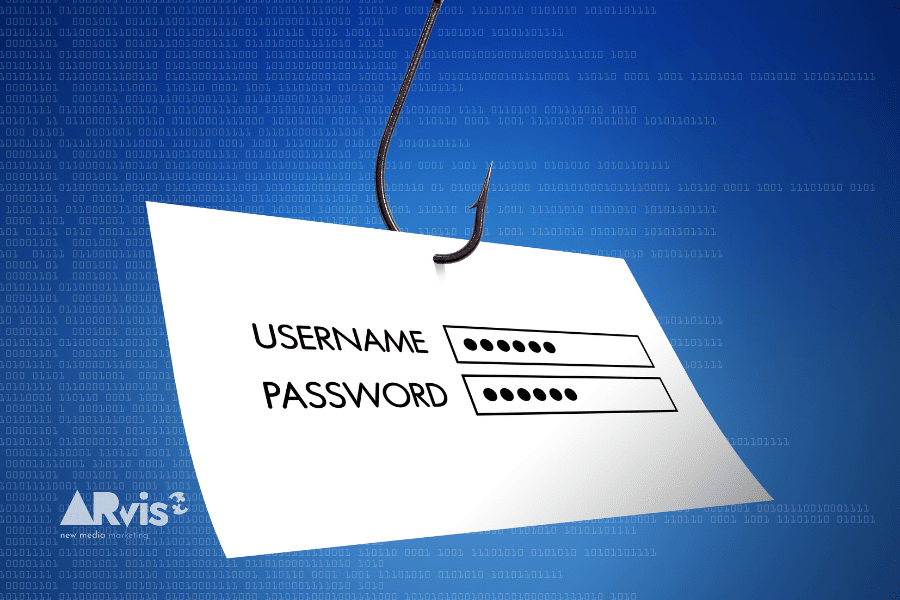
Phishing is one of the most common cyber attacks. This fraud consists of sending emails, links or text messages that appear to come from trusted sources, such as banks, credit card companies, or even companies that trade online, in order to trick victims into sharing personal information or accessing infected websites. The request is often motivated by technical reasons, such as a password change. Phishing may appear to be one of the easiest cyber attacks to detect and avoid, but this technique has evolved into increasingly subtle forms, difficult to recognize, monitor and intercept, which is why ever greater attention is required.
Denial of service (DoS) cyber attacks
These are the classic attacks that “take down” a website, sending it offline and thus making it unreachable for users. Cyber criminals act by overloading the servers of a site or an application with traffic, thereby blocking or slowing down the services offered. The more advanced version of this attack is the distributed denial of service (DDoS) attack and it is carried out using networks of infected computers.
Malware attacks
Malware is malicious software – the most common being viruses, worms and trojans – used by attackers to break into victims’ IT systems. Once the malware is installed on the target computers, hackers can perform various actions such as the theft of sensitive information, espionage, or creating “botnets”, i.e. networks of machines that can be used to carry out other types of attacks such as DDoS.
Ransomware attacks
This is a particular type of malware attack whose name derives from the union of this term with the word “ransom”. The cyber criminals who use this practice break into the victims’ computers via malicious software and block access to the data, encrypting it. They then demand a payment to unlock the files. Paying the ransom, however, gives no guarantee of recovering the data, which, if returned, may be corrupted and unusable.
Injection attacks
Injection attacks are cyber attacks in which an attacker inserts a string of malicious code into a web application to compromise the system’s security, access sensitive information or manipulate data. Attacks of this type have become common due to the widespread adoption of web applications and their interactive nature, in which users must enter data into forms in order to interact with the application. Injection attacks can take different forms, such as SQL injection, Shell injection and Code injection.
Zero-day cyber attacks
These cyber attacks, among the most common, exploit new vulnerabilities discovered in software, known as zero-day vulnerabilities. The actions that use zero-day vulnerabilities to access the system are called zero-day exploits and have a good chance of success because, for these flaws, no antivirus is yet available since they are unknown even to the vendors. After a vulnerability has been identified and fixed, it no longer constitutes a zero-day threat.
Man-in-the-middle cyber attacks
A man-in-the-middle attack occurs when cyber criminals intercept the communication between two devices, such as computers or smartphones, to spy on or modify conversations, or even to inject malicious messages, without the two parties noticing. The user will think they are communicating directly with the server, when instead they are talking with the hacker.
How to defend yourself against cyber attacks
Cyber attacks like the common ones listed here are constantly evolving and becoming ever more sophisticated. To defend yourself, it is important first of all to keep the software and applications of our devices up to date, use strong passwords and never share personal and financial information online. It is also advisable to always use the latest version of antivirus and antispyware software, and not to open suspicious or unsolicited attachments and links. As a general IT security rule, it is always best to use a secure internet connection, for example via a VPN. Regularly backing up important data and storing it in a safe place then limits the risk of losing important information. Finally, it is advisable to carry out periodic checks with professional security audits to detect even silent attacks.
Related service: discover Digital Security by ARvis — the agency that scales with you.