

Phishing: How to Recognise and Defeat It
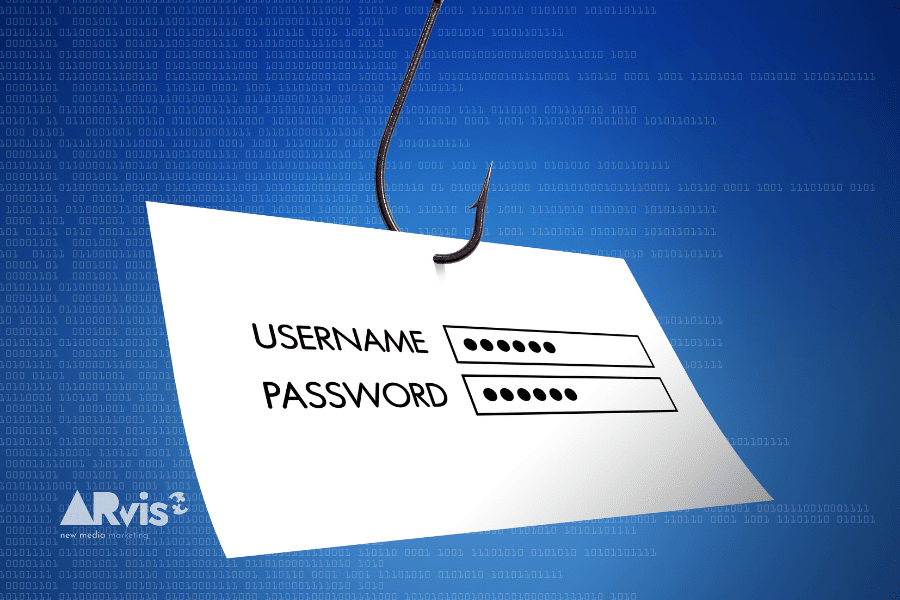
In the vast and often turbulent ocean of the digital age, one of the most insidious dangers hides behind a term that evokes the art of fishing: phishing. In fact, in some rare cases it is also written as fishing, which literally means to fish, its spelling altered precisely to emphasise the fact that it is a fraud, and therefore something that seems real but is not.
In practice, phishing is a form of cyber fraud that puts personal and financial data at risk. Understanding how to recognise and counter these attacks is essential for protecting digital integrity, as well as for the security of your website and email.
Table of Contents
What Phishing Is
Phishing is a type of cyber attack in which the attacker disguises themselves as a trustworthy entity to deceive the victim and lead them into providing sensitive information, such as passwords and credit card numbers, or into clicking on an infected link.
Although most people associate phishing only with email, there are various forms of phishing, including so-called sneaky phishing that takes place via SMS, or phishing through WhatsApp messages. In these cases, the attacker often pretends to be a well-known customer service in order to lead the victim into clicking on a link to obtain personal information.
How to Recognise a Phishing Attack
Can phishing emails be spotted? There are often clear clues that help you tell whether the message you have received is malicious. Phishing emails usually appear to come from authoritative organisations. However, by examining the text carefully, you can detect grammar or spelling mistakes, or links that do not match the URL of the organisation mentioned. The same applies to smartphones, where phishing attempts can occur via SMS or WhatsApp. Unfortunately, on mobile phones fraud also creeps in through actual phone calls. In these cases you must be careful not to give out your details verbally.
In all cases, you should always be wary of messages asking for sensitive information or passwords, or inviting you to click on links. “Real” organisations never operate this way. They invite you to go to the official website, and from there everyone must act independently, with their own credentials, without disclosing them to anyone.
How to Protect Yourself from Phishing
Anti-phishing solutions and tailor-made software that can block access to suspicious websites or flag phishing emails help protect against unwanted attacks. That is not enough, however. Training and awareness are also essential to prevent attacks. It is important that all internet users know the various forms of phishing and how to recognise them.
The use of advanced anti-phishing solutions
The broad and ever-growing landscape of tools and software designed to counter phishing attacks is an important ally in defending sensitive information. These sophisticated security systems work through machine learning algorithms and heuristic methods that make it possible to identify, block and flag phishing attempts.
Such solutions can prevent access to fraudulent or suspicious web pages by analysing URLs and comparing them with a database of sites known for phishing activity. In addition, they offer an email security filter capable of recognising and isolating suspicious messages, including the sophisticated phishing that imitates legitimate communications. Finally, they provide extra protection for sensitive data, with encryption and other data protection techniques that safeguard information in the event of security breaches.
Training and awareness: pillars of phishing prevention
The effective fight against phishing is not limited to adopting technological tools: solid training and the awareness of those who browse the web are just as crucial. It is imperative that internet users, regardless of their level of familiarity with technology, are informed about the different forms of phishing and the strategies for recognising and neutralising them.
Digital security education should begin with an understanding of the basic concepts of phishing, including common examples of this fraudulent practice. From identifying suspicious emails, to inspecting links before clicking on them, to being wary of requests for sensitive information, every user should be equipped with the knowledge needed to avoid falling victim to these threats.
Moreover, training programmes and seminars should be implemented within organisations, with regular updates based on new forms of phishing. Awareness, together with ongoing training, can build a robust human line of defence against phishing attacks.
How to React to a Phishing Attack
If you have fallen victim to a phishing attack, there are certain actions you should take to protect your data and to help track down the malicious hackers.
Reporting to the Postal Police
It is important to report the phishing you have fallen victim to immediately to the Postal Police. Reporting it allows the authorities to intervene and limit the actions of the perpetrators. In this way, you also help other potential victims.
Change compromised credentials
If you suspect that your credentials have been compromised following a phishing attack, it is essential to change them immediately to avoid further damage. There is usually software that helps determine whether your credentials have been exposed. There is no time to lose in these cases. Acting quickly can prevent serious damage.
Turning to professional technical support
In the event of a phishing attack, it is highly advisable to turn to cyber security professionals. Although immediate actions such as reporting to the authorities and changing compromised credentials are essential, engaging experts can ensure a more complete and effective response to the incident.
Digital security specialists are able to carry out a detailed analysis of the cyber attack, identifying possible security breaches and ensuring that all traces of the attack are properly removed. In addition, they can provide advice and training to prevent future phishing attempts, improving existing security measures and fostering a stronger, more informed culture of cyber security. Turning to professionals in the field therefore makes it possible not only to react to the attack but also to draw useful lessons from it to prevent future incidents.
Cyber security: a reliable partner is a guarantee of protection
Although many precautions can be taken, digital security requires specific expertise and constant updating. Turning to a company specialised in cyber security can make all the difference in protecting yourself and your business.
Relying on a trusted partner with experience in the field is decisive.
A company like ARvis.it, with its wide range of services, including security for websites and e-commerce, audits and consultancy, can provide fundamental support in safeguarding digital identity and activities. Transparency, constant updating and innovation have always been our strengths. All essential elements, because it is not just about blocking attacks and threats, but about creating a proactive security strategy tailored to the client’s specific needs. In this way, potential vulnerabilities can be prevented, with the guarantee of a high and constant level of protection.
For a more complete overview of these and other topics, you can consult the guides available at these links: Website security, Secure e-commerce, Immutable backup.
Related service: discover Digital Security by ARvis — the agency that scales with you.